The ocean, covering 70% of the planet, produces half of our oxygen and regulates climate by storing and releasing heat. Yet, only 2.7% of its vast expanse is currently protected. A global network of marine protected areas is crucial to preserving the ocean’s health and extraordinary biodiversity, while also mitigating climate change. Expanding these protected zones is essential to ensure a sustainable future for our planet and its ecosystems.
Ocean Plastic
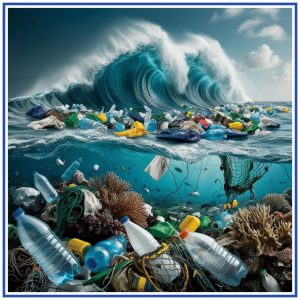
Each year, millions of tons of plastic flow into the oceans, primarily from rivers, devastating marine ecosystems and wildlife. This pollution also threatens human health and the livelihoods of communities that depend on these waters, while harming global economies. We back efforts to remove plastics from oceans and rivers and promote initiatives that shift the focus toward educating businesses and individuals, with the ultimate goal of eliminating plastic pollution from the oceans entirely.
Seagrass, mangroves, and corals
Seagrass, mangroves, and coral reefs provide powerful, nature-based solutions for climate change and sustainable development. These interconnected ecosystems work together to capture and store carbon, with seagrasses alone accounting for 10-18% of oceanic carbon storage. They are among the most diverse and productive ecosystems on Earth, offering immense benefits to communities and economies. Protecting and restoring these habitats is essential for combating climate change and supporting long-term environmental and social well-being.
Rewilding
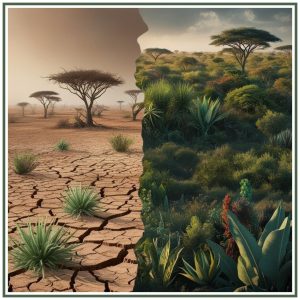
Rewilding restores ecosystems by reintroducing native species and allowing nature to thrive without human interference. This approach revives biodiversity, strengthens habitats, and helps mitigate climate change. By reversing damage caused by human activity, rewilding restores ecological balance, creating sustainable environments that benefit both wildlife and people. It fosters resilience against future environmental challenges and safeguards nature for future generations, making it a vital strategy for preserving the planet’s health and biodiversity.

 5W Foundation