
![IUCN Endangered [EN]](https://www.5wf.org/wp-content/uploads/2025/08/IG-EN.jpg)

Information
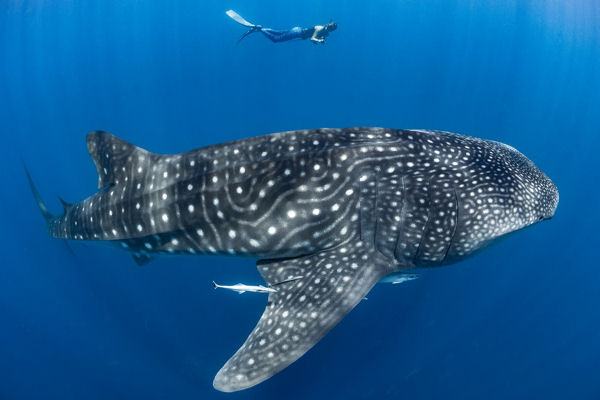
Species Name (Scientific): Rhincodon typus
IUCN Category: Endangered
Habitat Type: Marine Neritic | Marine Oceanic
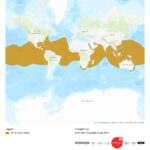
Geographic Range: Caribbean Islands | East Asia | Mesoamerica |North Africa | North America | Oceania | South America | South and Southeast Asia | Sub-Saharan Africa | West and Central Asia
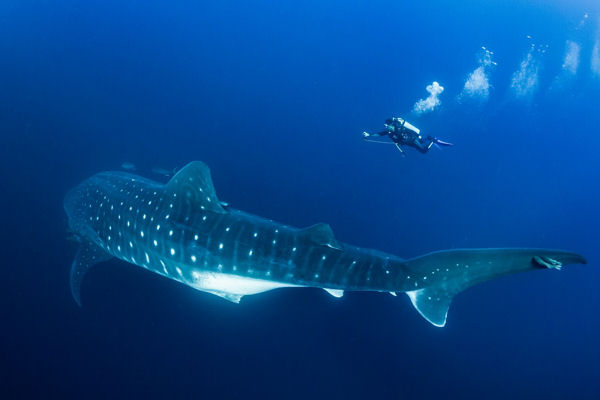
The Whale Shark is not a whale, but is the largest known fish species, growing to over 18m (60ft) long.
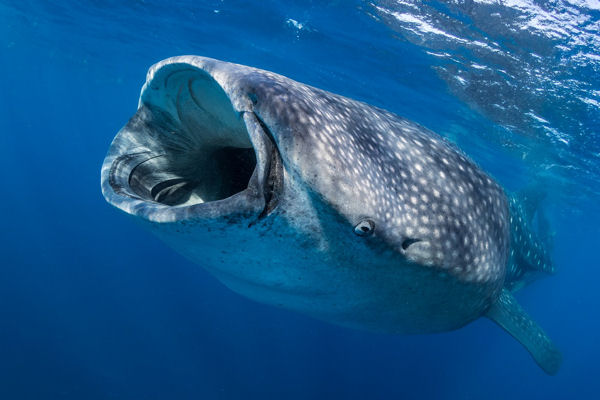
As filter feeders, Whale Sharks play a crucial role in maintaining the balance of marine ecosystems by consuming large amounts of plankton and small fish, which helps regulate the populations of these organisms. Their presence also attracts ecotourism, which can benefit coastal economies.
Primary threats: Humans – overfishing of reef and open water feeding grounds, targeted killing of whale sharks for their fins, meat, and oil, accidental by-catch fishery deaths, killed by ship propellers, food source impacted by fishing, habitat destruction, coastal development, climate change, plastics, and other pollution, like noise.
Additional information
| Fun Facts | ~ They grow up to 40 feet (12 m) long, but on average they grow to 18 to 32.8 feet (5.5 to 10 m) and weigh 20.6 tons. That’s about the size of a school bus. ~ They are filter feeders and can’t bite or chew. They process more than 6,000 litres (1,600 gallons) of water an hour through their gills. ~ They can dive to well over a mile in depth, and as filter feeders they travel huge distances (10,000km or more) migrating to different feeding grounds, but they swim at speeds of little more than 3 mph. ~ Much of their lives are still shrouded in mystery. |
|---|---|
| Donation Amount | €5, €10, €25, €50, €100, Your own amount (€1 increments) |
Other Species / Projects
-
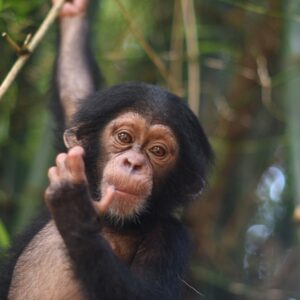
-
- Species - Endangered, Terrestrial
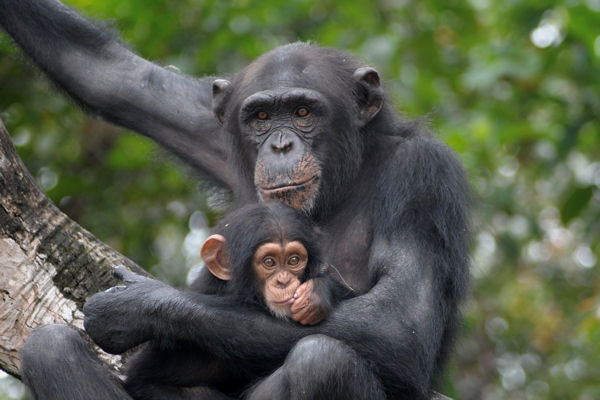
Chimpanzee
- Choose Donation This product has multiple variants. The options may be chosen on the product page
-
-
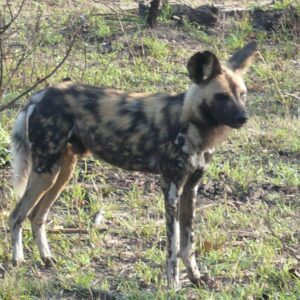
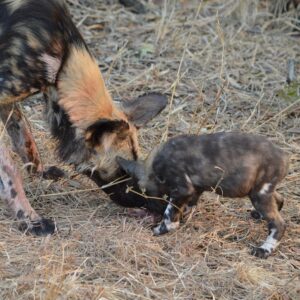
-
- Species - Endangered, Terrestrial
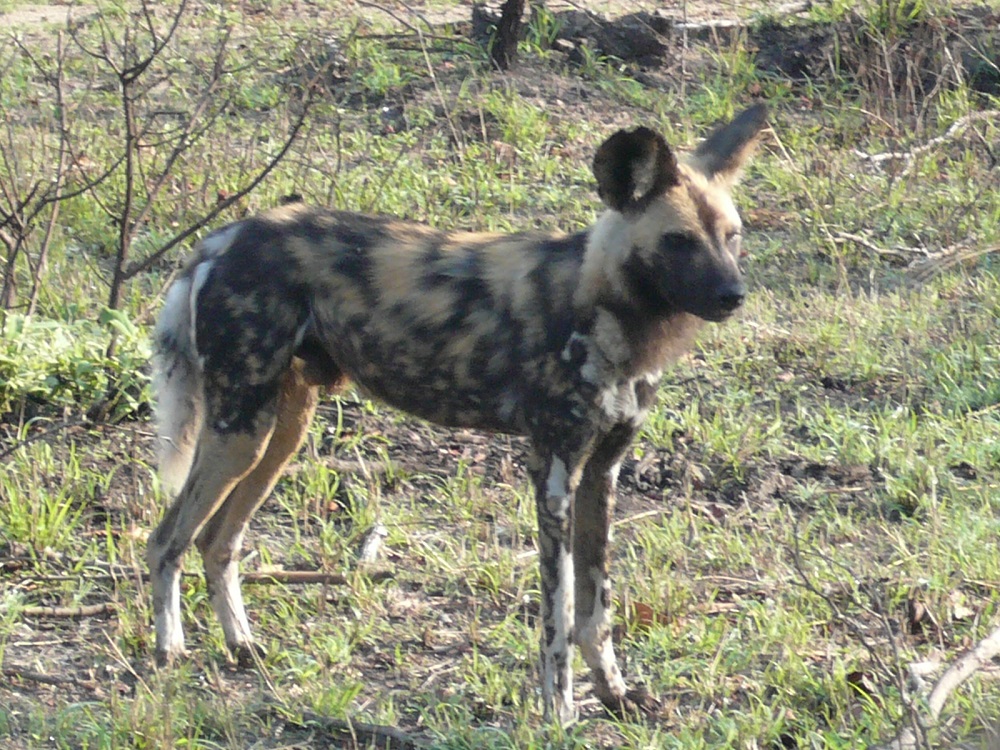
African Wild Dog
- Choose Donation This product has multiple variants. The options may be chosen on the product page
-
-
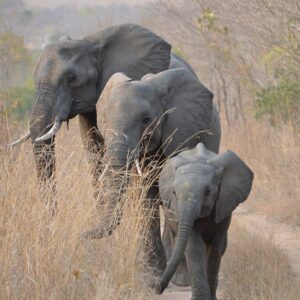
-
- Species - Endangered, Terrestrial
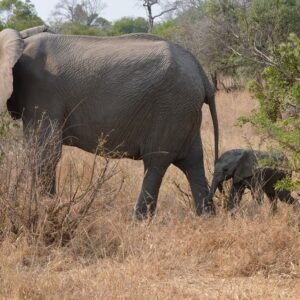
African Savanna Elephant
- Choose Donation This product has multiple variants. The options may be chosen on the product page
-